More hair on your pillow or in the shower does not, by itself, tell you whether you have temporary shedding or progressive hair loss. You will learn how to recognise the pattern, prepare for a proper evaluation, compare treatment options safely, and identify when a procedure is the wrong first step.
Key takeaways
- Track shedding and density changes for several weeks.
- A diagnosis should come before choosing a hair-loss treatment.
- Hair-cycle delays explain why results take time.
- Compare side effects, maintenance, evidence, and cost before treatment.
Is this excessive shedding or progressive thinning?
Losing 50–100 scalp hairs a day can be normal hair turnover. The more useful question is whether shedding has increased and whether your hair looks less dense. Excessive hair fall becomes more concerning when it continues for weeks, rather than appearing as an occasional few strands in the brush or shower.
Signs that hair density is falling include:
- A widening parting or widening part line
- A receding hairline or thinner temples
- A smaller ponytail or less hair in a braid
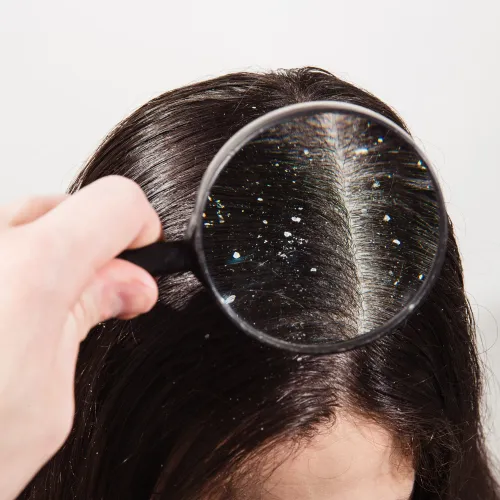
- More visible scalp under ordinary indoor light
Temporary shedding is usually diffuse: hair comes out from across the scalp rather than forming one sharply defined bald patch. It often begins about two to three months after a trigger such as a major illness, rapid weight loss, or childbirth.
Shedding can settle after the trigger is corrected, while density takes several more months to return because hair grows slowly.
Progressive thinning follows a pattern and continues even after a temporary shedding episode improves. Pattern hair loss and telogen effluvium can occur together, so reduced shedding does not prove that progressive loss has stopped.
Track monthly photographs in the same lighting and parting; seek an examination if thinning persists, bald patches appear, or the scalp becomes painful, scaly, or inflamed. Counting hairs alone cannot diagnose the cause.
How the hair-growth cycle explains delayed hair fall
A strand does not fall the day its follicle reacts to a trigger. In the hair-growth cycle, follicles spend most of their time growing, then enter a resting phase called telogen. A sudden physical or hormonal strain can push many growing follicles into telogen together.
Common triggers include:
- Fever or major illness
- Surgery
- Childbirth
- Severe psychological stress
- Rapid weight loss
- A medication change
Those resting hairs remain attached for a while, so shedding often becomes noticeable 2–3 months after a trigger. This delayed pattern is called telogen effluvium. It can continue for weeks or months because the affected follicles did not all enter, and will not all leave, the resting phase on the same day.
Postpartum hair loss follows the same principle. Pregnancy keeps more follicles in the growth phase; after delivery, hormonal changes allow a larger group to enter telogen, making shedding appear several months later. Correcting the trigger stops the cycle from worsening, but visible density takes longer to return because new scalp hair grows slowly.
Telogen effluvium and pattern hair loss can occur together. If shedding settles but the part remains wider, the ponytail stays thinner, or the hairline continues to recede, an underlying androgenetic process may still be miniaturising follicles.
What a proper hair-loss evaluation should include
An evaluation should connect the timing and pattern of loss with examination findings; a hair-pull test alone cannot identify the cause. Ask about medical history, including onset, recent fever, illness, surgery, childbirth, rapid weight loss, medication changes, menstrual or pregnancy history, family history, and tight braids, extensions, weaves, or ponytails.
A scalp examination checks redness, scale, tenderness, pustules, broken hairs, smooth patches, and signs of scarring. Trichoscopy or dermoscopy can reveal miniaturized patterned hairs, broken hairs, exclamation-mark hairs, and inflammation.
Blood tests should target the suspected cause, such as a complete blood count and ferritin for iron deficiency, thyroid-stimulating hormone for thyroid disease, or vitamin B12 and vitamin D levels when the history supports testing. Tell the clinician about high-dose biotin because it can distort thyroid and cardiac-marker results.
Seek prompt assessment for these warning signs:
- Sudden bald patches, eyebrow loss, or rapidly worsening shedding
- Scalp pain, burning, pus, heavy scale, or shiny skin without visible follicles
- Hair loss with fatigue, cold intolerance, irregular periods, acne, excess facial hair, or unexplained weight change
- Loss beginning after sustained traction from tight hairstyles
| Finding | What it suggests | Useful next step |
|---|---|---|
| Widening part or receding hairline | Pattern hair loss | Trichoscopy or dermoscopy |
| Diffuse shedding after illness or weight loss | Telogen effluvium | Review timing; order targeted tests |
| Round smooth patches | Alopecia areata | Examine scalp, eyebrows, and nails |
| Red, painful, scaly, or scarred areas | Inflammatory or scarring alopecia | Prompt dermatology assessment |
Which hair-loss treatments match which diagnosis?
Treatment follows the diagnosis, not simply the number of hairs in the shower. A widening part from androgenetic alopecia needs a different plan from sudden round patches, broken hairs, or diffuse shedding after illness.
| Diagnosis | Treatment focus | What to know |
|---|---|---|
| Androgenetic alopecia | Topical minoxidil; selected patients may need prescription antiandrogens | Benefits require continued use; early shedding, irritation, or facial hair can occur. |
| Alopecia areata | Corticosteroid injections or topical treatment; extensive disease needs specialist therapy | Hair loss is immune-mediated, so minoxidil alone does not control the cause. |
| Traction alopecia | Stop tight braids, extensions, weaves, and ponytails; treat inflammation early | Early loss can recover, but prolonged traction can scar follicles permanently. |
| Nutritional deficiency | Replace documented iron, vitamin B12, vitamin D, protein, or calorie deficits | Unneeded supplements do not treat every shedding problem and can cause harm. |
| Thyroid disease | Treat the confirmed thyroid abnormality with the appropriate medical clinician | Shedding can continue for months while the growth cycle catches up. |
| PCOS | Assess androgen excess and pattern loss; combine hair treatment with PCOS management | Antiandrogen medicines require pregnancy precautions and medical supervision. |
| Scalp inflammation | Treat the identified condition, such as seborrheic dermatitis, psoriasis, or infection | Ongoing itching, scale, pain, or pustules can damage follicles if ignored. |
| Medication-related shedding | Review the timing and drug list with the prescriber; change treatment only under guidance | Stopping a necessary medicine suddenly can create greater risk. |
Pattern loss and temporary telogen shedding can coexist. Topical minoxidil may preserve density in pattern loss, but it will not correct thyroid disease, deficiency, inflammation, or a medication trigger.
How to compare medicines, procedures, and treatment plans safely
A treatment is worth choosing only when its diagnosis, risks, monitoring, and stopping plan are clear. Compare options by the problem they target, not by claims that one is “stronger.”
| Option | What to know | Ask before choosing |
|---|---|---|
| Oral minoxidil | Off-label; can cause excess body hair, ankle swelling, dizziness, fast heartbeat, and blood-pressure changes | What dose, monitoring, and heart or kidney precautions apply? |
| Finasteride and dutasteride | Prescription anti-androgens for selected pattern loss; not routine for every woman | How do pregnancy and breastfeeding precautions affect eligibility? |
| Spironolactone | May help women with androgen-related loss; potassium, blood pressure, menstrual, and pregnancy risks matter | What diagnosis and blood tests support its use? |
| Supplements | Biotin and “hair vitamins” rarely help without deficiency; high-dose biotin can distort thyroid and cardiac-marker tests | Which measured deficiency justifies treatment? |
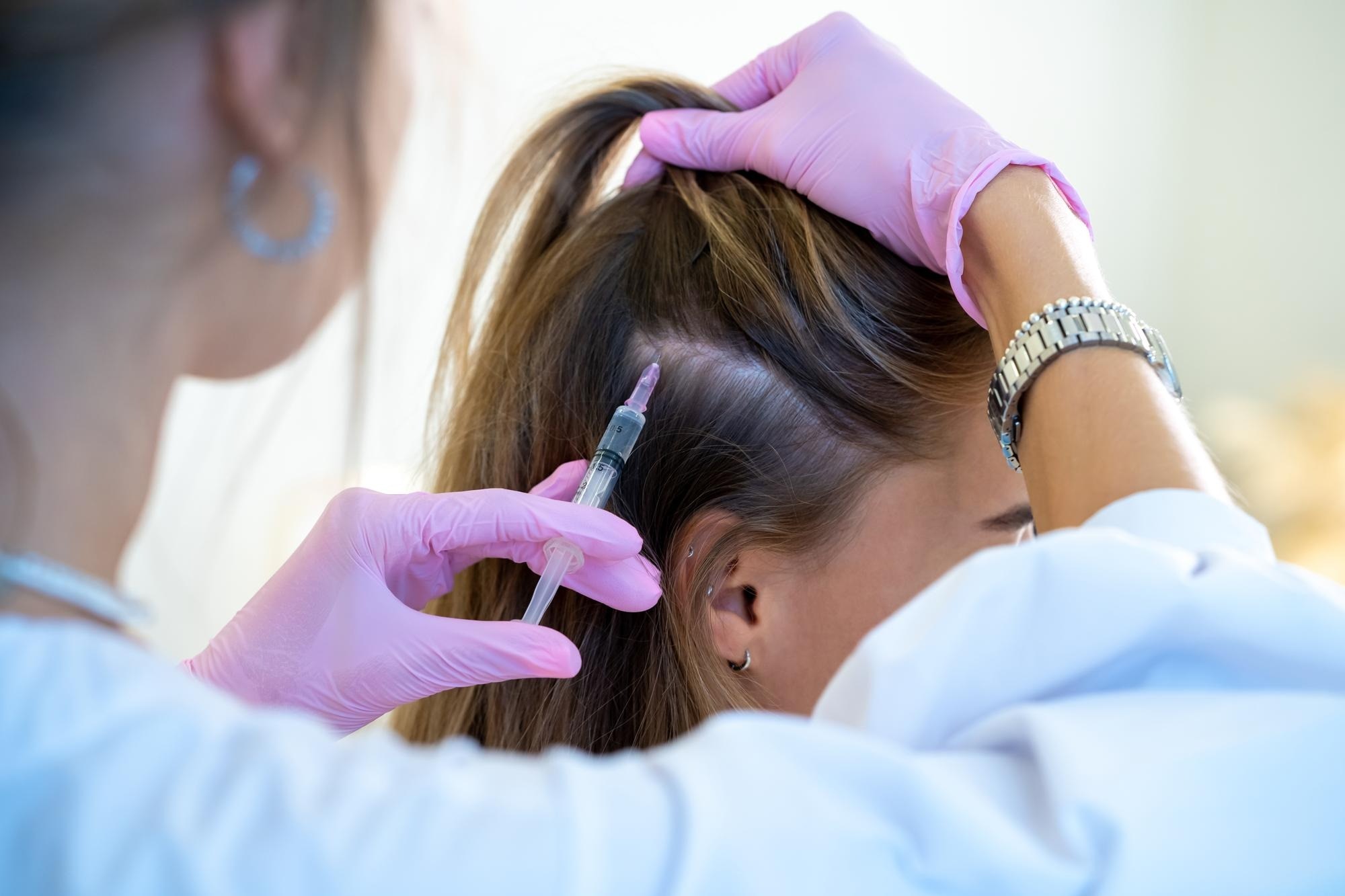
| PRP, mesotherapy, and microneedling | Results and protocols vary; mesotherapy mixtures are not standardised, and procedures can cause pain, infection, or inflammation | What substance, depth, schedule, evidence, and complication plan are involved? |
| Light devices | May modestly increase density in pattern loss but do not repair scarred follicles | What wavelength, schedule, regulatory status, and evidence support this device? |
| Transplantation | Redistributes donor follicles; it does not stop miniaturisation of untreated native hair | Is donor supply stable, and how will native hair be protected? |
Topical minoxidil can cause an early shed, irritation, or facial hair, and its benefit fades after stopping. At Welcome to Advanced Skin & Hair Laser, ask for a diagnosis-linked plan rather than combining procedures without defined goals.
Related services
Hair Treatment Hair treatments help improve hair health, growth, strength, and appearance by addressing issues like hair loss, dandruff, frizz, split ends, dryness,... View service → |
PRP PRP Platelet-Rich Plasma (PRP) therapy is an advanced regenerative treatment that uses the healing power of your own blood to rejuvenate skin, stimulate... |
Frequently asked questions
How can you tell excessive shedding from progressive thinning?
Increased shedding suggests more hairs entering the resting-and-shedding phase, while progressive thinning shows reduced density, widening part lines, or a receding hairline over time.
Why can hair loss appear months after its trigger?
Hair follicles move through growth, transition, resting, and shedding phases, so illness, stress, weight loss, or nutritional problems can precede visible shedding by several months.
What should a proper hair-loss evaluation include?
It should include your timeline, family history, medications, illnesses, diet, scalp examination, hair-density assessment, and targeted blood tests when symptoms or history justify them.
How do hair-loss treatments match the diagnosis?
Treatment depends on the cause: pattern hair loss, telogen effluvium, alopecia areata, scalp inflammation, infection, and nutritional deficiency require different approaches.
How should you compare hair-loss medicines and procedures safely?
Compare the diagnosis, expected benefit, treatment duration, side effects, contraindications, maintenance needs, evidence, and total cost rather than relying on before-and-after photos alone.
Related service
Mesotherapy Mesotherapy Mesotherapy is a non-surgical cosmetic treatment that involves injecting a blend of vitamins, minerals, enzymes, and plant extracts into the middle... |