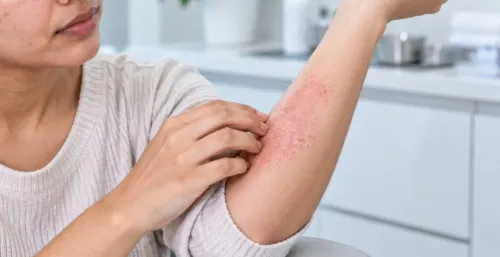
Recurring flakes and itch need more than a quick shampoo change: the pattern, location, redness, scale and hair changes help determine whether you have dandruff or another scalp condition. You will be able to plan a safe treatment trial, avoid common irritants and recognise when a dermatologist should examine the problem.
Key takeaways
- Use an anti-dandruff shampoo consistently for several weeks before judging results.
- Apply shampoo to the scalp, leave it on as directed, and rinse thoroughly.
- Treat facial or body flaking gently to avoid worsening irritation.
- Seek a dermatologist for pain, hair loss, thick plaques, or persistent symptoms.
Is it dandruff, seborrhoeic dermatitis, or another scalp condition?
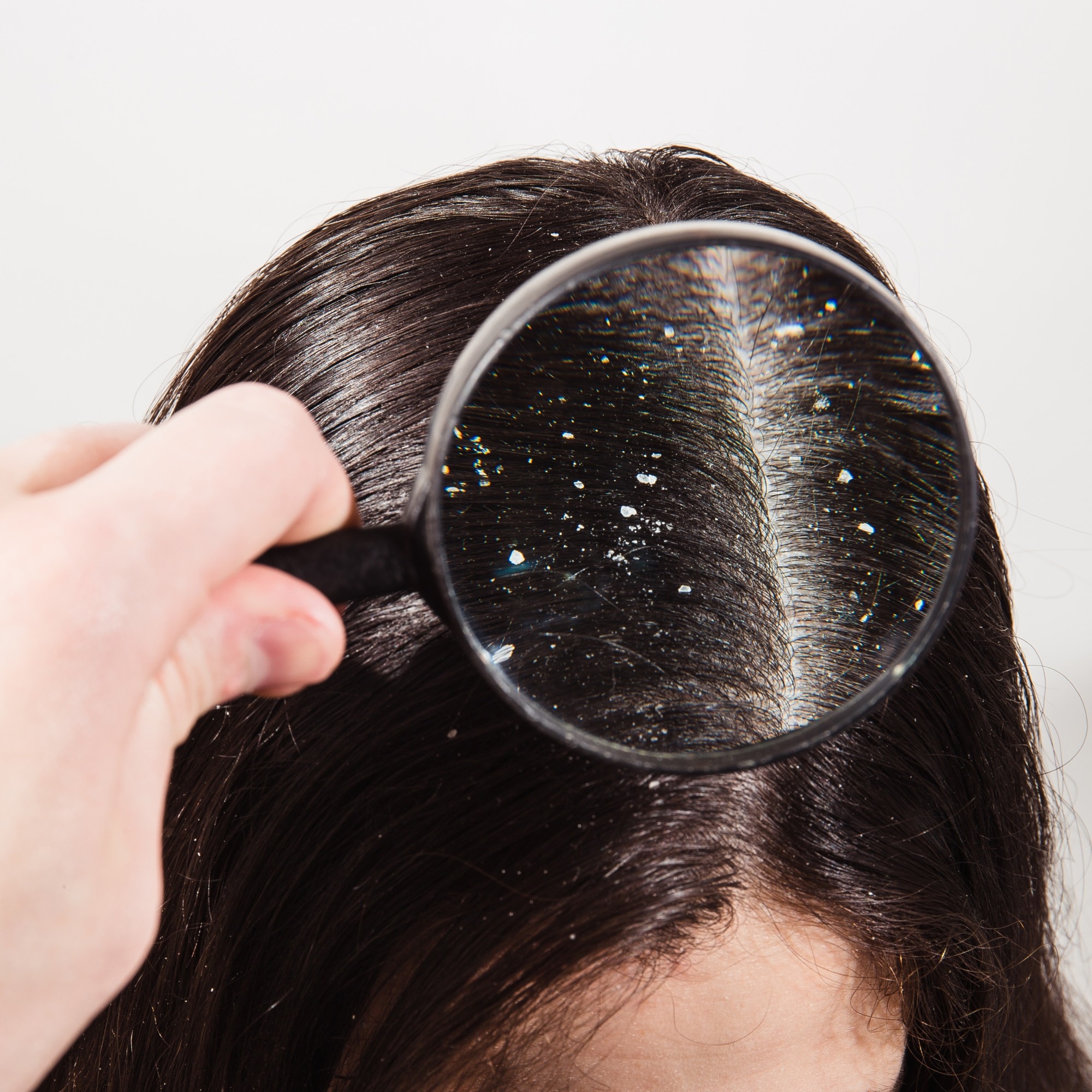
Simple dandruff usually causes loose white or grey scale with limited inflammation. Malassezia-associated dandruff is not contagious and does not prove poor hygiene.
Seborrhoeic dermatitis causes recurring itch, redness, and greasy or yellow scale. It can affect the scalp, eyebrows, ears, beard, or chest, and often returns after temporary improvement.
Persistent flaking itchy scalp deserves a different diagnosis when the pattern includes:
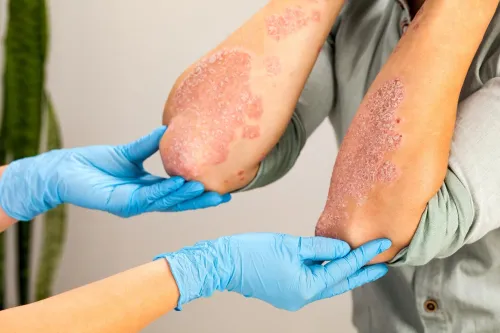
- Scalp psoriasis: sharply defined, thick plaques that extend beyond the hairline.
- Contact dermatitis: burning or a new rash after using hair dye, shampoo, fragrance, or a styling product.
- Folliculitis: tender bumps or pustules centred around hairs.
- Tinea capitis: round scaly patches, broken hairs, patchy hair loss, or swollen neck lymph nodes. This scalp fungus needs prescription-led scalp fungus treatment, not repeated dandruff shampoo.
- Lice: intense itch behind the ears or at the nape, with nits firmly attached to individual hairs rather than loose flakes.
Seek medical assessment for bleeding, pus, painful thick plaques, foul odour, fever, boggy swelling, swollen lymph nodes, patchy hair loss, broken hairs, or eye and ear involvement. These findings can signal infection, inflammatory disease, or fungal damage that risks scarring or permanent hair loss.
If symptoms persist despite an adequate medicated-shampoo trial, stop escalating products indefinitely. A clinician can examine the scale, hair shafts, plaques, and affected skin to identify the condition and select the correct treatment.
How to run a proper anti-dandruff shampoo trial
Choose one active ingredient and use it consistently for several weeks. The best choice depends on whether fungal activity or attached scale is the main problem.
| Active ingredient | Main role | Practical point |
|---|---|---|
| Ketoconazole shampoo | Antifungal | Commonly used twice weekly for 2 to 4 weeks, then less often for maintenance; follow the local label |
| Zinc pyrithione | Antifungal | Alternative when another antifungal shampoo gives poor control or irritation |
| Selenium sulfide | Antifungal | Useful for recurring dandruff; stop if it causes burning or unacceptable dryness |
| Ciclopirox | Antifungal | Another option when standard antifungal shampoos provide incomplete control |
| Salicylic acid | Loosens attached scale | Helps lift thick flakes but does not replace antifungal treatment |
| Coal tar shampoo | Reduces scale | Can irritate skin and increase sun sensitivity |
Run the trial correctly:
- Wet your scalp, part the hair if needed, and massage the shampoo into the scalp rather than the hair lengths.
- Leave it on for the product’s stated contact time, then rinse thoroughly. Immediate rinsing reduces its practical effect.
- If ketoconazole gives only partial control after an adequate trial, switch to or alternate another active ingredient rather than combining several irritating products at once.
Judge success by reduced itch, redness and scale over several weeks, not by one improved wash. Stop and seek advice if severe burning, swelling or worsening inflammation develops.
How to treat flaking beyond the scalp without making irritation worse
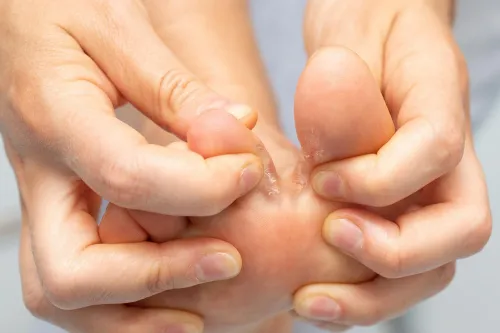
Treat dandruff on the hairline, eyebrows, beard, ears or chest by applying treatment to the affected skin, not merely spreading shampoo over the hair. Keep medicated products out of your eyes and the ear canal; follow the label before using them on facial or body skin, because a clinician may recommend a different formulation.
1. Wash according to oil and sweat rather than avoiding washing. Use lukewarm water, and clean non-scalp areas with a gentle cleanser. Do not scratch, scrape or pick scales. Salicylic acid can loosen thick scale, but picking creates broken skin and raises infection risk.
2. Skip home remedies for dandruff such as lemon juice, baking soda, vinegar and undiluted essential oils. They can sting or cause irritant or allergic dermatitis, especially on broken skin. Heavy oil does not treat scalp inflammation, and applying it over a red scalp can worsen discomfort.
3. Manage dryness or scalp irritation from medicated shampoo with fragrance-free conditioner on the hair lengths, not the scalp. If the scalp burns, shorten the product’s contact time only if the label permits, or change the active ingredient rather than adding more products. Seek medical advice if irritation persists, spreads, crusts or becomes painful.
Why dandruff returns and how to maintain control
Symptoms often improve within 2 to 4 weeks, but dandruff treatment duration is not usually one-and-done. Dandruff and seborrhoeic dermatitis are chronic, relapsing conditions, so recurrence after improvement usually means you need recurring dandruff maintenance, not that the shampoo permanently failed.
1. Continue the chosen product for the label-directed course after itching and flaking start to improve. Once controlled, use it intermittently at the lowest frequency that prevents relapse; stopping completely often allows symptoms to return.
2. If a reasonable 2 to 4 week trial produces no clear improvement, or symptoms worsen, reassess instead of using the shampoo more frequently indefinitely. Stress, cold weather, sweat, hats, infrequent washing, scalp oil, and fragranced or oily styling products can amplify symptoms without causing the underlying condition.
3. Adapt treatment to your circumstances. Dandruff treatment for children requires an age-appropriate product and assessment for tinea capitis. For dandruff in pregnancy, check every active ingredient with an obstetric clinician or pharmacist.
Dyed or chemically treated hair needs monitoring for colour change and dryness, while eczema or psoriasis requires a tailored plan because irritation can intensify inflammation.
Do not use a strong steroid or antifungal prescribed for someone else. Persistent or worsening symptoms need a fresh diagnosis rather than stronger self-treatment.
When a dermatologist should examine persistent dandruff
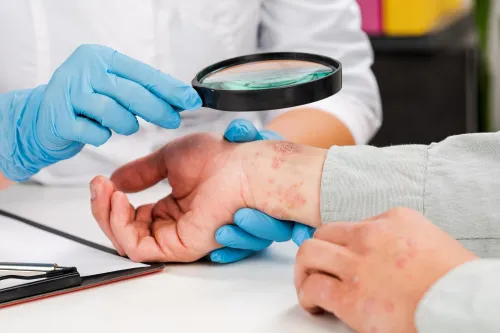
If a properly used shampoo trial fails, see a dermatologist for persistent dandruff rather than escalating products indefinitely. The clinician examines scale colour and pattern, redness, plaques, pustules, crusting, odour, hair density and broken hairs, then checks the hairline, eyebrows, ears and other affected skin.
| Suspected problem | What the clinician looks for | Evaluation |
|---|---|---|
| Tinea capitis | Round scale, broken hairs, patchy loss, swollen nodes | Fungal testing of scalp scale or plucked hairs, including microscopy or culture |
| Lice | Itch behind the ears or at the nape, firmly attached nits | Direct examination of hairs and scalp |
| Contact allergy | Burning or rash after dye, shampoo or fragrance | Exposure history and skin examination |
| Psoriasis or folliculitis | Thick plaques, pustules or tenderness | Clinical examination, with other tests when needed |
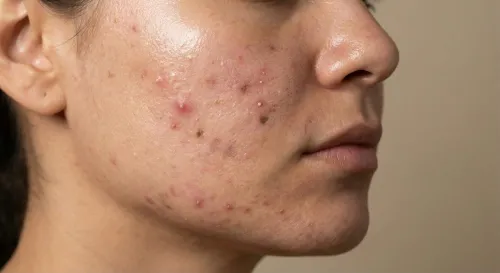
For severe inflammation, a clinician might prescribe a short course of topical corticosteroid scalp lotion, usually alongside appropriate antifungal care. Confirmed fungal infection can require a topical or oral antifungal. Prolonged steroid use can thin skin, trigger folliculitis and cause acneiform eruptions; an incorrect antifungal can delay the right diagnosis.
Welcome to Advanced Skin & Hair Laser can be relevant when persistent itch and flaking need a diagnosis-led plan and follow-up. Ask whether the clinic:
- Examines the scalp directly and arranges fungal testing or referral when indicated.
- Specifies each product, strength and contact time.
- Explains when hair treatments or aesthetic procedures must wait because medical treatment comes first.
Laser, peels and mesotherapy are not standard first-line treatment for ordinary dandruff.
Related service
Hair Treatment Hair treatments help improve hair health, growth, strength, and appearance by addressing issues like hair loss, dandruff, frizz, split ends, dryness,... View service → |
Frequently asked questions
How can you tell dandruff from seborrhoeic dermatitis or another scalp condition?
Simple dandruff causes loose white or grey scale with limited inflammation. Redness, greasy scale, marked itching, thick plaques, pain, hair loss, or spread beyond the scalp need assessment for seborrhoeic dermatitis, psoriasis, fungal infection, or another condition.
How should you run an anti-dandruff shampoo trial?
Apply the shampoo to the scalp rather than only the hair, leave it on for the stated contact time, rinse thoroughly, and use it consistently for several weeks. Stop and seek advice if it causes significant burning, swelling, or worsening irritation.
How should you treat flaking beyond the scalp without worsening irritation?
Use gentle cleansing, avoid picking and harsh scrubs, and keep medicated products away from the eyes and broken skin. Ask a dermatologist before applying scalp treatments to the face, ears, eyebrows, or other sensitive areas.
Why does dandruff return after treatment?
Dandruff is a recurring inflammatory condition linked to scalp oil, Malassezia yeast, and individual sensitivity. Continue a maintenance shampoo schedule after control, follow its directions, and restart treatment promptly when scaling returns.
When should a dermatologist examine persistent dandruff?
Book an examination when symptoms do not improve after a proper shampoo trial, keep returning despite maintenance, or include severe redness, pain, thick plaques, oozing, sores, or hair loss.