Redness and itching can come from an allergy, direct irritation, infection, heat, an insect bite, or a medication reaction, so the same cream is not appropriate for every rash. You will learn how timing and appearance narrow the possibilities, how to track a suspected trigger, what to do during a flare, and when testing or medical treatment is needed.
Key takeaways
- Hives move or fade within hours; eczema patches last days.
- Map rash timing, location, products, foods, medicines, heat, and friction.
- Avoid adding steroid or antibiotic creams without checking the ingredients.
- Seek urgent care for breathing trouble, facial swelling, blistering, or fever.
How to Tell an Allergy Rash from an Infection or Heat Rash
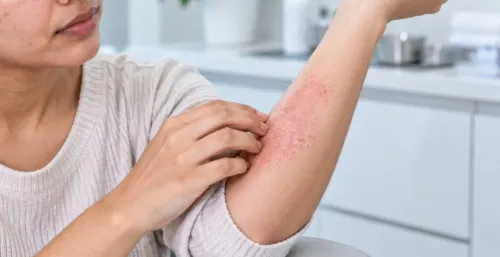
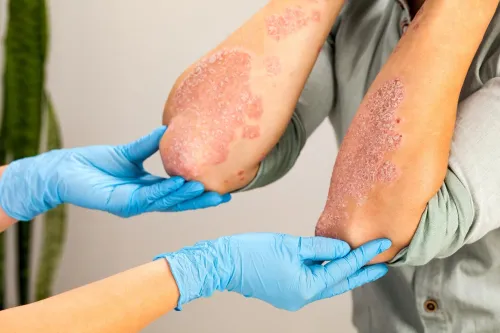
A red, itchy rash is not automatically an allergy: its shape, distribution, and timing narrow the red itchy rash causes. Eczema patches persist for days, while hives can vanish within hours. Ask whether irritant contact dermatitis is wearing off before applying another cream.
| Pattern | Likely cause | Clue |
|---|---|---|
| Allergic contact dermatitis | Delayed type IV immune reaction | Eczema appears hours to days after contact; the border may match a product’s contact area. |
| Irritant contact dermatitis | Direct skin-barrier damage | Burning, redness, cracking, or scaling stays sharply bordered where detergent, cosmetics, or another irritant touched; prior sensitisation is unnecessary. |
| Atopic dermatitis | Chronic eczema tendency | Dry, itchy, recurring patches, often in skin folds. |
| Hives | Urticaria | Raised wheals move or disappear within 24 hours in one location. |
| Heat rash | Sweat-duct blockage | Tiny prickly red bumps in hot, sweaty, covered areas. |
| Fungal infection | Dermatophyte infection | Ring-shaped scaling with a clearer centre and an advancing edge. |
| Scabies | Mite infestation | Intense night itching with fine burrows, often between fingers, at wrists, waist, or genitals. |
| Insect bites | Local reaction | Grouped or scattered itchy bumps, sometimes with a central punctum. |
| Drug eruption | Medication reaction | Widespread rash, often across the trunk, after a new medicine; fever, facial swelling, skin pain, blisters, or mouth and eye sores are warning signs. |
A rash after a tablet is not a simple contact allergy. Stop self-directed skin allergy treatment and seek medical assessment for widespread medication-related rashes or severe symptoms. Loss of scale, rapid spread, pus, warmth, or increasing pain also suggests infection rather than uncomplicated dermatitis.
Common Triggers and a Practical Way to Find Yours
Investigate common skin allergy triggers wherever the rash touches something: fragrances and preservatives in cosmetics or topical medicines, para-phenylenediamine (PPD) in hair dye, nickel jewellery, latex and rubber accelerators, acrylates in artificial nails, detergents, botanical extracts, essential oils, plants, insect bites, sweat, and heat.
| Exposure | Clue to investigate | What can go wrong |
|---|---|---|
| Fragrance or preservative | New cream, cleanser, detergent, or medicine | Fragrance allergy can cause delayed eczema |
| Hair dye | Itching at the hairline, ears, or neck | Hair dye PPD allergy may appear days later |
| Metal, rubber, or nail products | Jewellery, gloves, elastic, or artificial nails | Nickel allergy jewellery reactions and acrylate dermatitis can spread |
Use a trigger log rather than guessing:
- Record the exact product name and complete ingredient list.
- Note its first-use date, body site exposed, and the time symptoms began.
- List other products used, including detergent, shampoo, cosmetics, and topical medicines.
- Stop the suspected product and record whether the rash improves.
A product used several days earlier can still be responsible because allergic contact dermatitis is delayed; the last product applied is not always the culprit. “Natural,” “hypoallergenic,” and “clean” do not guarantee safety. “Unscented” can contain masking fragrance, while “fragrance-free” means no added fragrance ingredients; neither label rules out preservatives, botanicals, or essential oils.
What to Do During a Rash Flare and Which OTC Products Need Caution
Start rash flare care by stopping the suspected product and washing exposed skin with lukewarm water. Apply a bland, fragrance-free moisturiser to support the damaged skin barrier. Avoid scratching, heat, sweat, friction, and tight clothing; scratching can create breaks that allow bacterial infection.
| Option | What it helps | Important limit |
|---|---|---|
| Bland moisturiser | Dryness and barrier damage | Does not remove the trigger or treat infection |
| Second-generation antihistamine | Antihistamines for hives, especially raised wheals | Often provides little relief for eczema or contact dermatitis |
| Low-strength topical hydrocortisone | A small, localised inflammatory dermatitis flare | Use only briefly and follow pharmacist or clinician advice |
Sedating antihistamines can impair driving, operating machinery, and other activities requiring alertness. Do not assume a stronger product works better: the face, eyelids, groin, folds, and other thin-skin areas need medical direction because steroid side effects develop more readily there.
Avoid a combination steroid-antifungal cream unless a clinician has diagnosed the rash. Steroid antifungal cream risks include masking a fungal infection, allowing it to spread, and exposing skin to an unnecessary steroid.
Do not use leftover prescription creams or antibiotic creams without diagnosis: they can worsen some rashes, cause allergic contact dermatitis, and contribute to inappropriate steroid exposure. Active, painful, infected, or facial rashes need assessment before cosmetic procedures such as laser, IPL, waxing, or peels.
When Patch Testing or Specialist Assessment Changes the Treatment Plan
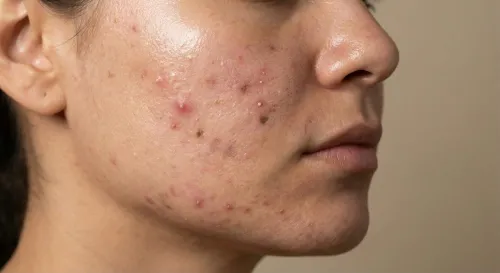
Stop changing creams when a rash keeps returning, follows the same product, affects the eyelids or face, or fails to settle after the suspected trigger is removed. A skin clinic assessment can distinguish allergic contact dermatitis from irritation, infection, or another facial eruption before treatment changes the picture.
- Patch testing for contact dermatitis places small amounts of allergens on your back for about 48 hours. The patches are removed, then the skin is assessed again later because allergic reactions are delayed; this is different from a prick test, which reads an immediate reaction.
- A negative standard panel does not exclude allergy. The responsible chemical may be absent, altered, or present at the wrong concentration, so allergy testing for skin rash may require supervised testing of your own cosmetics, medicines, hair products, or other suspected items.
- If allergy is confirmed, identify and avoid the allergen across every ingredient list. A topical corticosteroid suppresses inflammation but does not remove sensitivity, so symptoms can return after re-exposure.
Steroid selection depends on severity and body site. Thin skin on the face, eyelids, groin, and folds needs medical direction; prolonged or potent use can cause thinning, visible vessels, acne-like eruptions, and other harm.
Do not use laser, IPL, waxing, peels, or microneedling on active dermatitis, infection, or an undiagnosed facial rash. Welcome to Advanced Skin & Hair Laser can provide discussion before elective treatment, but emergency symptoms require emergency care.
How Long to Monitor the Rash and When It Needs Urgent Care
Rash monitoring after stopping trigger exposure should continue for several days. Improvement can take days or longer because inflammation and barrier damage continue after exposure ends. Keep your trigger log, and do not re-challenge yourself with a suspected allergen to “test” it.
| Situation | Warning signs | Action |
|---|---|---|
| Routine review | No improvement after removing the exposure; spreading rash; recurrence with the same product | Arrange a clinical review |
| Medication reaction | Widespread rash, facial swelling, fever, skin pain, blisters, peeling, eye involvement, or mucosal sores | Seek urgent medical assessment for drug eruption warning signs |
| Emergency | Lip, tongue, or throat swelling; breathing difficulty; wheezing; faintness; or rapidly progressive symptoms | Call emergency services for possible anaphylaxis or significant angioedema |
Anaphylaxis rash symptoms can occur with rapidly worsening hives or flushing, but breathing or circulation symptoms make this an emergency even if the rash looks mild. Do not wait for a routine appointment.
Infected eczema signs include increasing pain, warmth, pus, honey-coloured crusting, rapidly spreading redness, or fever. Arrange prompt medical review rather than applying more anti-itch cream, and avoid laser, waxing, peels, or other cosmetic procedures until active inflammation or infection has been assessed.
Frequently asked questions
How can you tell an allergy rash from an infection or heat rash?
Check the rash’s shape, distribution, and timing. Hives can disappear within hours, eczema lasts for days, heat rash clusters in hot, sweaty areas, and infection is more concerning when redness spreads with warmth, pain, pus, or fever.
What common triggers should you investigate?
Review new soaps, detergents, cosmetics, hair products, metals, fabrics, medicines, foods, heat, sweat, and friction. Record what touched your skin, when the rash appeared, and where it occurred.
Which over-the-counter products need caution during a rash flare?
Check active ingredients before applying another cream. Avoid repeated use of combination products, antibiotic creams, fragranced products, or steroid creams without advice, especially on the face, skin folds, or broken skin.
When do patch testing or specialist assessment change treatment?
Patch testing helps identify delayed contact allergy when a rash returns after exposure or persists despite avoidance. Specialist assessment is important for recurrent, widespread, severe, unclear, or treatment-resistant rashes.
When does a rash need urgent care?
Get urgent care for breathing difficulty, throat or facial swelling, faintness, rapidly spreading redness, extensive blistering or peeling, severe pain, or fever with a worsening rash.