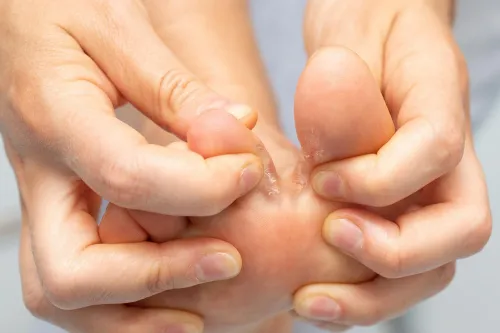
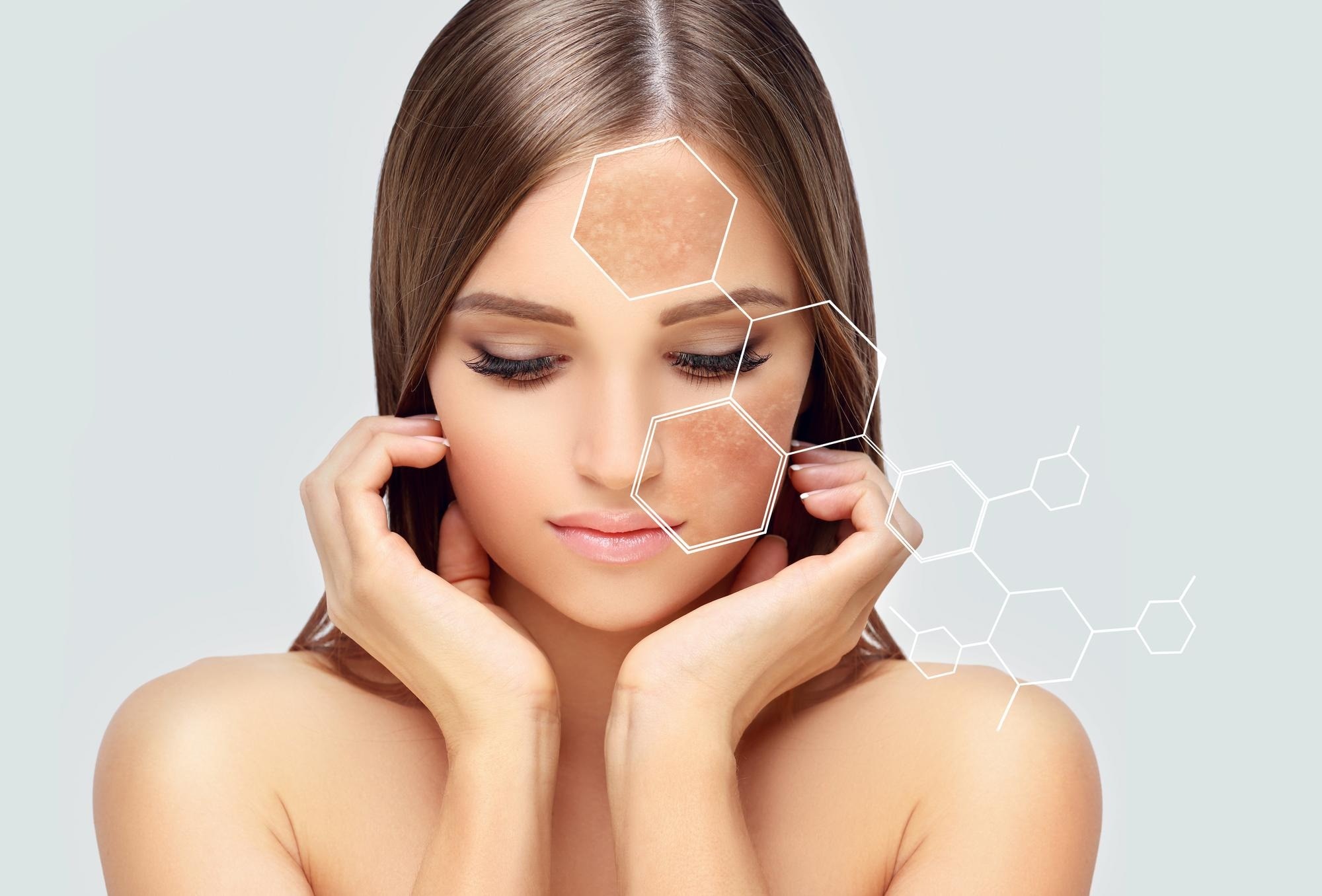
A dark mark after acne, a sun spot, melasma and a changing mole can look similar but require different decisions. By the end, you will know which signs need medical assessment, how treatment options compare, and why sun and visible-light protection determine whether results last.
Key takeaways
- Identify whether spots follow acne, sun exposure, hormones or another pattern.
- Get a diagnosis before treating rapidly changing, unusual or persistent dark patches.
- Use strict sun protection to support melasma treatment and reduce recurrence.
- Compare topicals, peels, lasers and microneedling by pigment type and downtime.
Which Type of Pigmentation Do You Have?
Dark spots are not one diagnosis. Their pattern, timing and behaviour help separate a harmless mark from pigmentation that needs examination before treatment.
| Type | Clues | What it means before treatment |
|---|---|---|
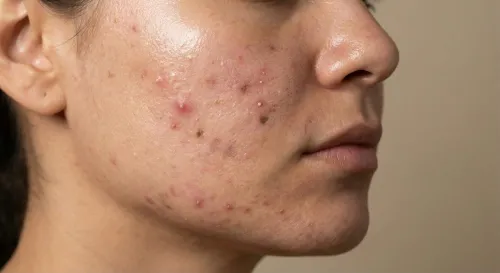
| Post-acne marks | Flat pink, red, brown or grey marks where spots healed | These are post-inflammatory hyperpigmentation (PIH) when brown or grey. Control active acne and irritation first. |
| Sun spots | Sharply defined tan-to-brown patches on sun-exposed face, hands or chest; usually stable | Solar lentigines often occur as isolated spots after years of ultraviolet exposure. |
| Freckles | Numerous small, flat light-brown spots that darken in summer and fade with less sun | They commonly reflect inherited sun sensitivity rather than one newly developing lesion. |
| Melasma | Symmetrical tan or brown patches on the cheeks, forehead, nose or upper lip | Sunlight, visible light, heat and hormonal changes can drive recurrence, so spot treatment alone often disappoints. |
| Concerning pigmented lesion | One spot that changes in size, shape or colour, develops irregular borders, itches or bleeds | Pause cosmetic treatment and arrange a dermatologist’s assessment. |
Post-acne marks and other post-inflammatory hyperpigmentation can follow eczema, burns, picking or a cosmetic procedure. In darker skin, ongoing inflammation or harsh treatment can create more pigment.
Do not laser, peel or apply a strong pigment cream to a changing or atypical lesion. A clinician will assess your skin type, medicines, pregnancy or hormonal factors, sun exposure, previous procedures and risk of further post-inflammatory hyperpigmentation before selecting treatment.
When Dark Patches Need a Diagnosis First
Do not peel, laser, or start a strong pigment cream on a changing pigmented lesion. Arrange a dermatologist’s examination if a patch is new and rapidly enlarging, asymmetrical, has an irregular border, several colours, bleeding, crusting, persistent itching, pain, or a noticeably different appearance from nearby marks.
Treating pigmented skin cancer as a cosmetic spot can destroy diagnostic tissue and delay care.
| Finding | What it may indicate | What to do |
|---|---|---|
| One changing, bleeding, or very irregular mark | Atypical lesion, including skin cancer | Examine it before cosmetic treatment |
| Symmetric patches on both cheeks, forehead, upper lip, or nose | Possible melasma | Request a melasma diagnosis before choosing a procedure |
| Darkness that follows acne, eczema, burns, or picking | Post-inflammatory pigmentation | Treat the underlying inflammation and assess if the colour keeps spreading |
| A sharply defined brown spot on sun-exposed skin | Solar lentigo or another lesion | Confirm the diagnosis before a peel or laser |
A proper assessment checks:
- Skin type assessment, including your tendency to burn, tan, or develop post-inflammatory hyperpigmentation
- Pigment depth and pattern using close examination and, when needed, a dermatoscope or Wood’s lamp
- Medication history, pregnancy status, hormonal contraception, menstrual or fertility treatment, and other hormonal factors
- Sun exposure, visible-light exposure, heat exposure, prior peels, lasers, and pigment creams
- Active acne, eczema, irritation, or infection that could worsen after treatment
Do not use laser improvement as proof that a diagnosis was correct. Melasma can recur, while heat and light-based treatment can aggravate it or create mottled light patches.
Why Melasma Needs a Different Strategy
Melasma recurs because melasma treatment fades existing pigment without removing the skin’s tendency to produce more melanin. Ultraviolet exposure, visible light, heat, pregnancy and hormonal shifts can reactivate pigment-making cells. Stopping treatment after early improvement leaves those triggers uncontrolled.
The daily plan must address each trigger:
- Ultraviolet exposure: use broad-spectrum sunscreen every morning and reapply during outdoor exposure. This is part of melasma treatment, not optional aftercare.
- Visible light: choose a tinted sunscreen containing iron oxides. This visible light protection matters especially for darker skin, where visible light can deepen melasma.
- Heat: reduce repeated hot showers, saunas, facial steaming and intense heat exposure if they provoke darkening. Heat can sustain pigment even when sun exposure is limited.
- Pregnancy and hormones: pregnancy melasma can improve after delivery, but it can persist or return with later pregnancies, hormonal contraception or other hormonal changes. Review these factors before choosing prescription treatment.
Pigment depth also changes the plan. Epidermal pigment near the surface is more predictable with topical treatment or superficial procedures; dermal pigment lies deeper and responds less reliably. Treating every patch with one laser can cause recurrence, mottled light patches or worsening from heat.
For that reason, lasers are not automatically superior to creams. A clinician may reserve light-based treatment as an adjunct after identifying the pigment depth and controlling triggers, then track both fading and new pigment over weeks to months rather than judging success by one early result.
Topicals, Peels, Lasers and Microneedling: Which Fits?
Daily treatment is usually the safest starting point for melasma, post-acne pigmentation and mild uneven tone. Pigment-control ingredients such as azelaic acid, retinoids and tranexamic acid work gradually; irritation from overuse can create more post-inflammatory hyperpigmentation, especially in darker or sensitive skin.
| Option | Main use | Important trade-off |
|---|---|---|
| Topicals | Melasma, post-acne marks and maintenance | Azelaic acid suits many sensitive users; hydroquinone, tretinoin and a corticosteroid can improve melasma faster but require a limited course and medical supervision |
| Chemical peels | Selected superficial marks and sun spots | A peel can burn skin or trigger prolonged redness and post-inflammatory hyperpigmentation; conservative strength matters |
| Laser toning | Resistant melasma or lentigines after diagnosis | Improvement can relapse, while heat may worsen melasma or cause mottled hypopigmentation |
| Microneedling | Some post-acne pigmentation and topical-drug delivery | Results depend on controlled technique; excessive injury can deepen pigmentation |
The hydroquinone, tretinoin and corticosteroid combination is not an indefinite lightening cream. Discuss skin thinning, irritation and hydroquinone-related complications before using it. Topical tranexamic acid is another option; oral tranexamic acid is off-label in many settings and requires screening for thrombosis risk, clotting history, migraine and hormonal medicines.
For a changing, bleeding or irregular single spot, avoid cosmetic treatment until a dermatologist examines it. A laser or peel can destroy evidence of an undiagnosed lesion. In Fitzpatrick skin types IV–VI, ask about a test area and conservative settings before any procedure.
How to Plan Treatment, Sessions and Maintenance
Expect a staged pigmentation treatment plan, not a single appointment. Consultation establishes the likely cause and pigment depth, records standardised photographs, and reviews medications, pregnancy status, hormonal factors, sun exposure, previous procedures, skin sensitivity, and post-inflammatory hyperpigmentation risk. Visible improvement takes weeks to months.
1. Before treating the full area, ask whether you need a patch test. The clinician applies the proposed peel, cream, or laser setting to a small area and checks for excessive redness, burning, or darkening before proceeding.
2. Begin irritation-prone products gradually, with moisturiser and acne or dermatitis control. Procedures are commonly spaced two to four weeks apart; longer intervals suit skin that remains red, tender, or darker after treatment.
3. Use broad-spectrum sunscreen SPF 30 every morning and reapply during outdoor exposure. For melasma or darker skin, choose a tinted sunscreen containing iron oxides because visible light can deepen pigment; hats and shade add protection.
4. Review progress with matching photographs after several weeks, assessing both fading and new spots. Continue maintenance sunscreen and any prescribed pigment control after improvement, because melasma and post-inflammatory pigmentation can return when treatment stops.
Specialist care is useful when pigment persists after a consistent plan, worsens after irritation, or involves suspected deeper pigment. At Welcome to Advanced Skin & Hair Laser, ask how the diagnosis, skin type, and pigment depth determine whether a peel or laser session is appropriate rather than treating every uneven patch identically.
Related services
Laser Toning/Photo Facial Laser toning, also known as photo facial, is a non-invasive laser treatment that helps improve skin tone, texture, and overall radiance. View service → |
Skin Peels also known as chemical peels, are advanced skincare treatments designed to improve skin texture, tone, and overall appearance. View service → |
Frequently asked questions
How can you tell which type of pigmentation you have?
The location, shape, timing and behaviour of your spots help distinguish post-inflammatory hyperpigmentation, sun spots, melasma and other causes.
When should dark patches be diagnosed before treatment?
Seek an examination for patches that change quickly, bleed, itch, have irregular borders, differ from nearby marks or do not fit a familiar pattern.
Why does melasma need a different treatment strategy?
Melasma is linked to triggers such as ultraviolet light, visible light and hormonal changes, so treatment combines pigment control with consistent light protection and maintenance.
How do topicals, peels, lasers and microneedling compare?
Topicals suit ongoing pigment control, while peels, lasers and microneedling differ in treatment depth, downtime, recurrence risk and suitability for your pigment pattern.
Related services
Oxypeel Oxypeel OxyPeel is a gentle yet highly effective skin treatment that deeply exfoliates the skin while infusing it with oxygen and essential nutrients. |
Dermato-Surgical Procedures Treatment Dermato-Surgical Procedures Treatment Laser treatments for hair and skin are widely used for cosmetic and medical purposes. View service → |
Aesthetic Procedures Treatment Aesthetic Procedures Treatment Aesthetic procedures are advanced non-surgical treatments designed to improve skin health, enhance facial features, and restore a youthful... View service → |
Filter for Facial Rejuvanation Filter for Facial Rejuvanation Facial rejuvenation is a combination of cosmetic treatments designed to improve skin texture, tone, and elasticity, reducing wrinkles, pigmentation. View service → |