A flat brown mark, a red spot, and a depressed pit left by acne need different treatment, even when they appear together. By identifying the scar type, controlling active acne, and comparing recovery and pigment risks, you can approach revision with realistic expectations and a safer treatment sequence.
Key takeaways
- Flat colour changes need different care from indented or raised scars.
- Ice-pick, boxcar, rolling, and raised scars respond to different procedures.
- Active acne should be controlled before most scar-resurfacing treatments.
- Compare session count, downtime, skin-tone risks, and total treatment time.
Identify the Mark Before Choosing an Acne Scar Treatment
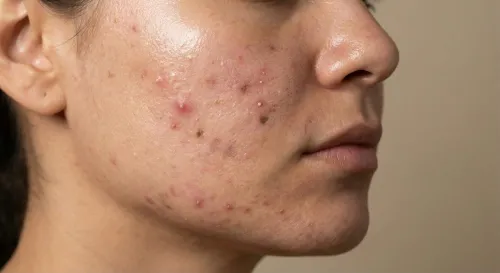
Start by checking whether the mark changes skin depth or only skin colour. A flat red, pink, brown, or grey spot that feels level with surrounding skin is usually post-inflammatory erythema or post-inflammatory hyperpigmentation, not a true acne scar; sunscreen and time can help it fade.
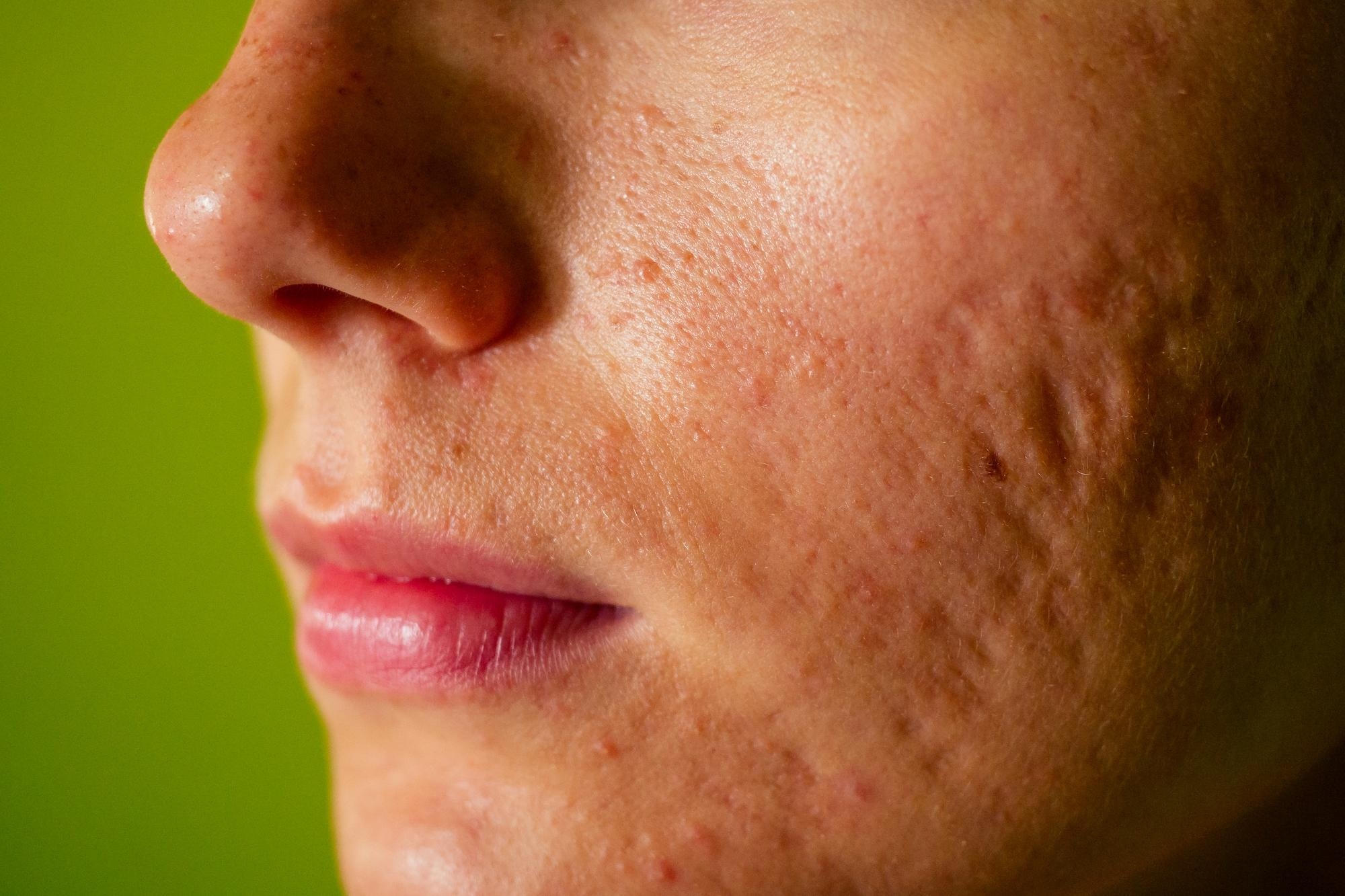
A true depressed scar creates a shadow or indentation that remains when you stretch the skin. Acne scar classification separates these atrophic forms by shape:
| Type | What you see or feel | What it indicates |
|---|---|---|
| Ice-pick scars | Narrow opening with a deep, steep-sided pit | Focused tissue loss |
| Boxcar scars | Round or oval depression with sharp vertical edges | Defined surface defect |
| Rolling scars | Broad, shallow waves that look worse in side lighting | Fibrous tethering beneath skin |
| Shallow atrophic scars | Wide, mild depressions with softer edges | Uneven texture |
A raised mark is different: hypertrophic scars stay within the original pimple or wound boundary, while keloids grow beyond it and may feel firm, itchy, tender, or rubbery. Do not choose resurfacing from a photograph alone; active acne, skin thickness, depth, and tethering affect classification.
A clinician should examine the skin under angled light and gently stretch it. Control active acne before scar revision, because ongoing inflammation can create new marks and obscure progress.
Match Each Scar Type to the Procedure It Can Respond To
Match procedure to scar structure: narrow pits need focal treatment, tethered depressions need release, and raised scars need scar-suppressing therapy rather than resurfacing.
| Scar type | Treatments it can respond to | Important limitation |
|---|---|---|
| Ice-pick | TCA CROSS; punch excision for selected deep scars | Surface laser or microneedling alone often cannot reach the narrow base. TCA CROSS can cause prolonged redness, pigment changes, or additional scarring if misapplied. |
| Boxcar | Fractional CO2 laser, microneedling, fillers, or punch elevation for deep, discrete scars | Sharp, deep edges may need focal surgery before overall resurfacing. |
| Rolling | Subcision for rolling scars, often followed by filler or fractional CO2 laser | Subcision releases fibrous bands; bruising and hematoma are recognised risks. |
| Shallow atrophic | Microneedling, fractional laser, superficial chemical peels, or selected fillers | These treatments improve broad texture but do little for deep, sharply defined pits. |
| Hypertrophic | Intralesional corticosteroid injections, silicone gel or sheets, and selected vascular laser treatment | Resurfacing alone can irritate and enlarge a raised scar. |
| Keloid | Steroid injections, silicone or pressure therapy, and specialist-led combinations | Excision alone carries a high recurrence risk and is not a routine acne-scar treatment. |
A punch excision removes one deep scar and leaves a small surgical mark; punch elevation lifts the depressed base while preserving surrounding skin. Laser blending can soften these marks after healing.
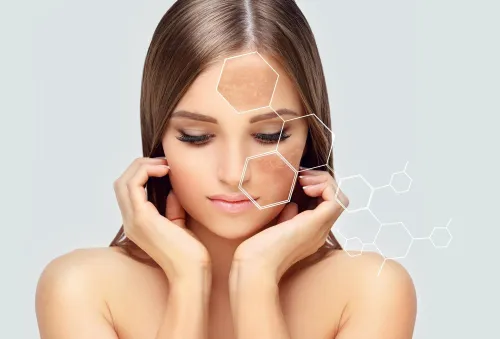
Flat brown or red areas are colour changes, not depressions. Pigment-directed or vascular lasers, sunscreen, and time address those marks, while true uneven texture needs release, collagen remodelling, excision, or filling. Combination treatment is common because one procedure cannot correct every scar feature.
What Happens During Treatment and How Many Sessions Are Needed?
Session numbers depend on scar depth, skin tone, and the procedure selected. Postpone treatment for active cystic acne, cold sores, or a skin infection; otherwise new inflammation can create scars and obscure improvement.
1. Fractional CO2 laser: After cleansing and numbing cream, the laser creates microscopic columns of heat rather than removing the whole surface. Expect heat, stinging, redness, swelling, pinpoint crusts, and several days of careful wound care; plan fractional CO2 laser recovery around work and sun exposure.
Improvement often develops over one to three sessions, spaced weeks to months apart.
2. Microneedling: A pen passes sterile needles repeatedly over numbed skin, producing controlled bleeding or pinpoint redness. Use bland moisturiser and sunscreen afterward, avoiding irritating products until the skin settles. Three to six microneedling sessions, usually four to six weeks apart, are common for gradual collagen remodelling.
3. Chemical peels: The clinician applies a measured acid, which stings and may cause tightness, scaling, or peeling over several days. Chemical peel acne scars treatment suits selected shallow scars or colour change, not deep ice-pick scars. A series of three to six peels is typical, with strict sun protection.
4. Fillers: After numbing and antiseptic preparation, a needle or cannula places material beneath a depressed scar. Swelling or bruising can last days; results appear quickly but require maintenance as filler breaks down.
5. Pigment or vascular lasers target brown or red marks, not depressions. A non-ablative fractional laser usually causes less downtime but needs more sessions; pigment changes remain possible, especially in brown skin, so conservative settings and sunscreen matter.
Check Safety, Skin Tone, Active Acne, and Recovery Requirements
Postpone scar revision if you have new inflammatory or cystic acne, an untreated skin infection, open sores, or a flare of eczema. Ongoing breakouts can create fresh scars and hide whether treatment worked, so the plan should include acne control before scar revision.
A proper consultation should assess:
- Whether the concern is depressed texture, post-inflammatory hyperpigmentation, post-inflammatory erythema, or a raised scar
- Scar depth, type, skin thickness, and the treatment each area can tolerate
- Current acne, infection, eczema, cold-sore history, medicines, and previous procedures
- A history of hypertrophic scars or keloids, which raises acne scar treatment risks
- Skin tone and pigment response, especially with darker Indian skin tones
- Expected improvement, downtime, aftercare, and the number of sessions required
Reduce healing complications by following the exact washing, ointment, and dressing instructions; do not pick peeling skin or scabs; and avoid retinoids, scrubs, waxing, heat, swimming, and strenuous exercise until your clinician permits them.
Apply broad-spectrum sunscreen with SPF 30 or higher every day and limit sun exposure, because inflammation and ultraviolet light can trigger post-inflammatory hyperpigmentation. Ask whether conservative settings or a small test area is appropriate before a laser, peel, TCA CROSS, or microneedling session. Microneedling is unsuitable over active acne or untreated infection.
Plan the Sequence, Measure Improvement, and Budget Your Time
Active inflammatory or cystic acne comes before scar work. Ongoing breakouts can create new scars and blur acne scar treatment results, so combine acne treatment and scar revision only after a clinician has controlled new lesions. Flat brown or red marks need a different plan from depressed texture.
Use a staged sequence:
- Control active acne and any infection, then allow the skin to settle before resurfacing, microneedling, subcision, filler, or focal scar surgery.
- Treat the structural problem: release tethered rolling scars with subcision, target deep ice-pick scars focally, and use resurfacing for broader shallow texture. A combination acne scar treatment is often more logical than repeating one device.
- Schedule recovery between sessions. Count consultation, preparation, downtime, peeling, follow-up, and the number of visits required; do not book treatment immediately before travel, photographs, or outdoor exposure.
- Review progress with photographs taken at the same angle, distance, lighting, and facial expression. Compare after healing, not during redness or swelling, and expect improvement rather than complete erasure.
Ask whether the clinic will document your baseline, explain pigment risk for your skin tone, and state what happens if acne returns. Welcome to Advanced Skin & Hair Laser should be able to explain why it selected a peel, microneedling, or fractional CO2 laser instead of presenting one procedure as suitable for every scar.
For laser skin clinic Dharampeth Nagpur searches, choose a clinic that offers diagnosis, staged planning, and follow-up rather than a guaranteed percentage.
Related services
Fractional CO, Laser for Acne Scar and Stretch Marks Fractional CO, Laser for Acne Scar and Stretch Marks Fractional CO2 laser is an advanced skin resurfacing technology that helps reduce acne scars, stretch marks, wrinkles, and pigmentation & tiny... View service → |
Skin Peels also known as chemical peels, are advanced skincare treatments designed to improve skin texture, tone, and overall appearance. View service → |
Frequently asked questions
How can you tell an acne scar from a flat dark or red mark?
A true scar changes skin depth or texture. A flat red, pink, brown, or grey mark is usually post-inflammatory erythema or post-inflammatory hyperpigmentation.
Which treatments suit different acne scar types?
Indented scars include ice-pick, boxcar, and rolling scars, and each requires a different procedure choice. Raised scars need a separate assessment because resurfacing is not always appropriate.
How many acne scar treatment sessions are needed?
The number depends on scar type, depth, skin tone, procedure, and healing response. Plan for a staged course rather than expecting one session to correct every scar.
What should you check before acne scar treatment?
Check whether acne is active, discuss your skin tone and risk of post-inflammatory hyperpigmentation, and confirm sun protection, medication, and downtime requirements.
Related services
Aesthetic Procedures Treatment Aesthetic Procedures Treatment Aesthetic procedures are advanced non-surgical treatments designed to improve skin health, enhance facial features, and restore a youthful... View service → |
Micro-needling Micro-needling is a cosmetic procedure that involves a device with tiny, sterile needles that create micro-injuries in the skin. View service → |
Micronedling Micronedling Microneedling is a minimally invasive cosmetic procedure that enhances skin texture, reduces fine lines, and promotes natural collagen production. |
Laser Toning/Photo Facial Laser toning, also known as photo facial, is a non-invasive laser treatment that helps improve skin tone, texture, and overall radiance. View service → |